
EPDM stands for ethylene propylene diene monomer, a synthetic rubber material commonly used on flat and low-slope roofs. It comes in large, flexible sheets that contractors install to create a protective roofing surface.
EPDM membranes help keep water out while remaining flexible enough to handle normal building movement and temperature changes.
EPDM works well on warehouses, offices, retail buildings, apartment complexes, and homes with suitable low-slope roof sections.
EPDM roofing offers several advantages, especially if you’re looking for a durable roof that doesn’t require complicated upkeep. Here are some reasons property owners in Oneida, NY, choose this material.
EPDM resists rain, snow, UV exposure, and changing temperatures, helping protect your building throughout Central New York’s four seasons.
Unlike some rigid materials, EPDM stretches and contracts as temperatures change, reducing the risk of cracks caused by normal movement.
A properly installed and maintained EPDM roof can last 20 to 30 years or longer, depending on its condition and exposure.
EPDM offers a good balance of installation costs, durability, and maintenance needs, making it a practical long-term investment.
Contractors can often repair small punctures, damaged seams, and other localized problems without replacing the entire roofing system.
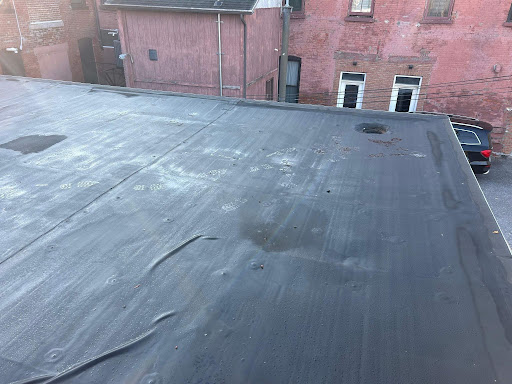
EPDM roofing doesn’t need constant attention, but it shouldn’t be ignored either. A little routine care can help you catch small problems before they turn into expensive repairs.
Have a professional inspect your EPDM roof at least twice a year, preferably in spring and fall, and after major storms.
Remove leaves, branches, and other debris from drainage areas to help rainwater and melting snow flow away properly.
Ask your contractor to inspect seams, flashing, vents, and rooftop equipment because these areas can develop leaks over time.
Fix punctures, loose seams, and damaged flashing promptly to prevent moisture from reaching the insulation or roof decking.
After a snowy Oneida winter, schedule a spring roof inspection to check for damage caused by ice, snow buildup, and freezing temperatures. You don’t need to climb onto the roof yourself; a roofing professional can safely check its condition.
It’s also worth keeping a simple maintenance record. Save inspection reports, repair receipts, and photos so you can track recurring problems and plan future roofing expenses.
EPDM roofing typically costs around $5 to $12 per square foot installed for many straightforward projects, although actual prices can fall outside this range. For a 2,000-square-foot roof, that’s roughly $10,000 to $24,000 before any major structural repairs or unusual project requirements.
Several factors affect what you’ll pay for EPDM rubber roofing solutions in Oneida, NY.
Larger roofs require more materials, while complicated layouts, multiple penetrations, and difficult access can increase labor costs.
The price depends on membrane thickness, insulation requirements, and whether your contractor uses adhesive, mechanical fasteners, or ballast.
Removing old roofing, replacing damaged decking, or correcting drainage problems can add to the overall project cost.
Routine inspections and minor repairs add to your maintenance budget but may help you avoid more expensive damage later.
Two buildings with the same roof size may have very different installation costs. For example, a warehouse with a simple roof layout may cost less than an office building with several HVAC units, vents, and drainage problems.
That’s why it’s best to get a professional roof assessment before setting your budget. Your contractor can inspect the existing system, explain your options, and provide an estimate based on the work your building actually needs.