
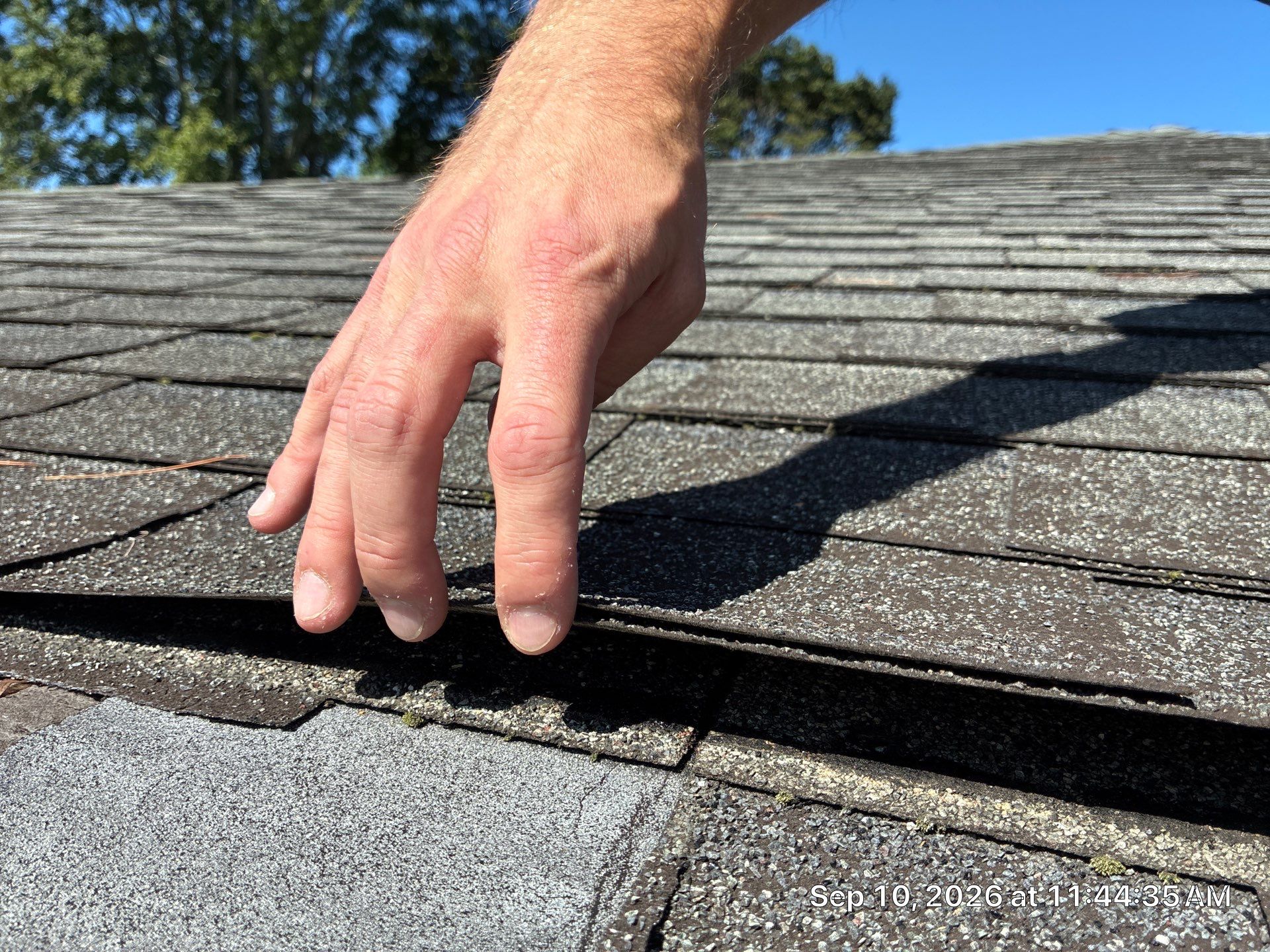
Your roof may look fine from the ground, but even a small opening can let rain inside. Here are some of the most common problems we see in homes throughout Oneida and Central New York.
Strong winds, falling branches, and normal aging can loosen or crack shingles, leaving the roof underneath exposed to rain.
Damaged flashing around chimneys, skylights, walls, and roof valleys can allow water to slip through the joints.
The rubber boots around plumbing vents can dry out, split, or pull away from the roof as they age.
Leaves and roof debris can block your gutters, causing rainwater to back up along the roof edge or run behind the fascia.
Roof valleys carry a large amount of water, so cracked shingles or worn seals in these areas can quickly lead to leaks.
Older shingles can become brittle, curl at the edges, or lose their protective granules, making it easier for water to get underneath.
Snow that melts and refreezes along the eaves can push water under the shingles and create damage that shows up during the next rainstorm.
The water stain inside your home is not always directly below the damaged part of your roof. Water can travel along roof decking, rafters, insulation, or pipes before it finally reaches your ceiling.
Common signs of a roof leak include:
For example, you might see a ceiling stain near the middle of a bedroom even though rain is entering around a vent several feet uphill. That hidden travel path is one reason roof leaks can be frustrating to find without a full inspection.
First, protect your family, belongings, and floors from the dripping water. If you notice a roof leak during rain, do not climb onto the roof while it is wet, windy, or raining.
You can also note when the leak started, how hard it was raining, and which direction the wind was blowing. These small details may help your roofer track down the problem faster.
You cannot control the rain, snow, or wind, but regular roof maintenance can keep small problems from getting worse. A little preventive care goes a long way in Central New York, especially before winter and spring storms.
Have your roof checked as it gets older and after strong winds, hail, falling branches, or heavy snow.
Clear leaves, twigs, and shingle granules from your gutters so rain and melting snow can drain properly.
Look for stains, damp insulation, mold, musty smells, and other signs that moisture is entering the space.
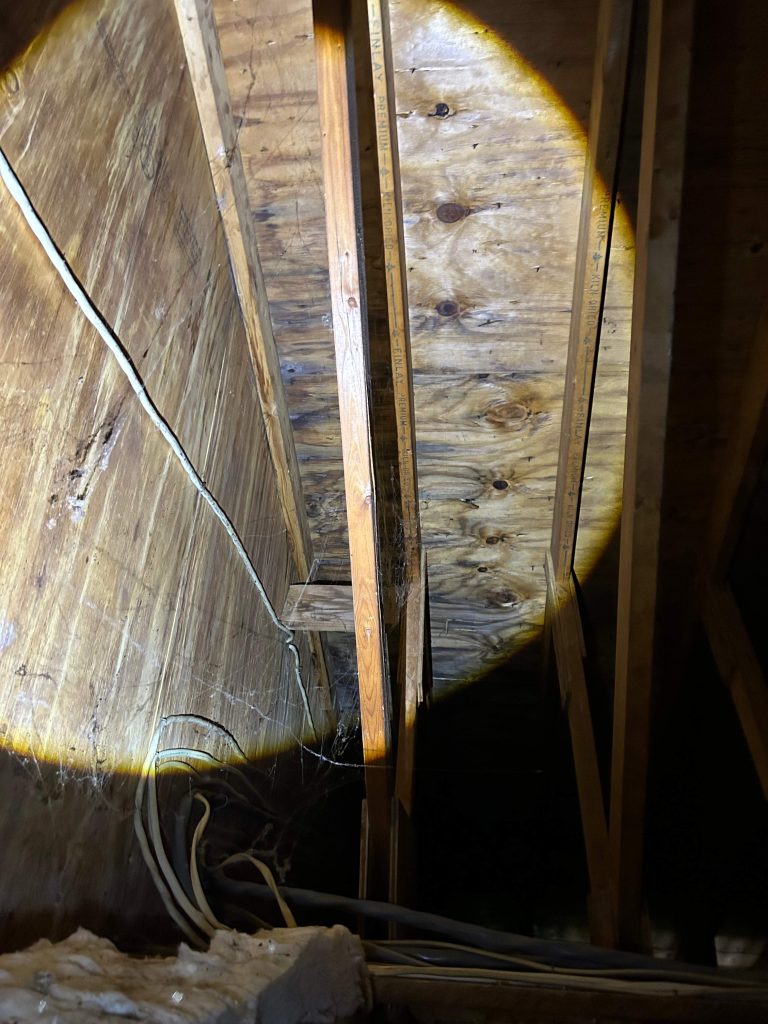
Cut back branches that scrape the shingles, drop debris into the gutters, or could fall during a storm.
Balanced ventilation and proper insulation can reduce moisture buildup and help prevent ice dams during Oneida winters.
Fixing one loose shingle or cracked pipe boot now can help you avoid damaged decking, insulation, drywall, and flooring later.
Roof cement, tape, and tarps may slow the water for a short time, but they often fail to address the real problem. Sealing the wrong spot can even trap moisture underneath the roofing materials.
Professional roof repair in Oneida NY begins with finding the exact place where water enters. Once the source is clear, the damaged material can be repaired or replaced instead of simply covered up.